
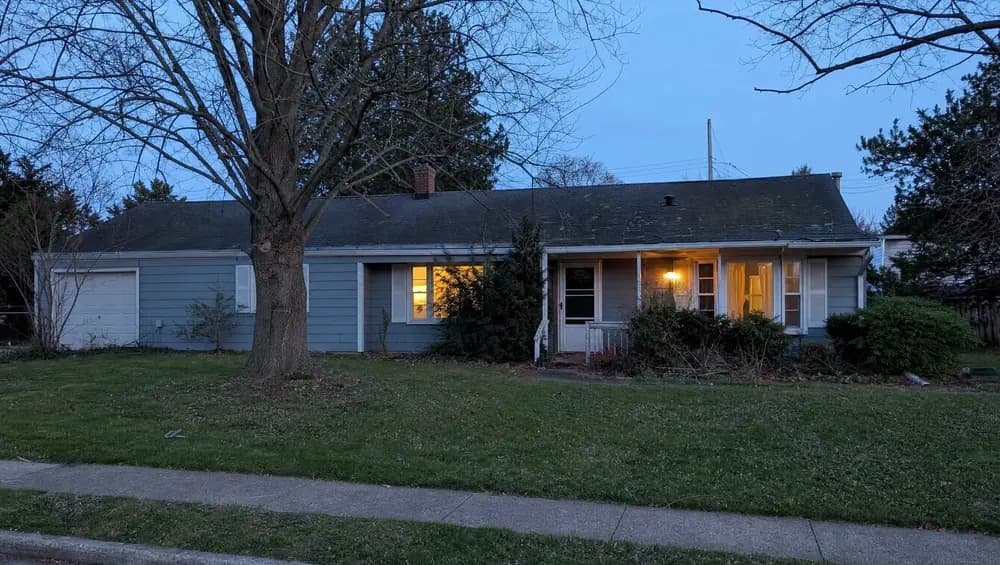
Selling a House With Water Damage & Mold in NJ
Water damage & mold can slash your NJ home's value. Learn your real options, costs, and how to sell fast without repairs or fees.
Water damage and mold are the two words that can freeze a home sale in New Jersey faster than anything else on an inspection report. I've seen it stop closings cold. A buyer's lender flags a mold disclosure, the buyer panics, and suddenly a sale that looked solid three weeks ago is dead. If you're sitting on a property with visible mold, a flooded basement, or a roof leak that ran for years, you have real options. But you need to understand the math before you decide anything. We price the repairs in, so you never pay for them. But only if you understand what the repairs actually cost and what your alternatives look like. This guide gives you the unvarnished picture.
Part of: How to Sell a Damaged House As-Is in NJ, the full map of this situation, with every related guide linked.
Selling a house with water damage and mold in NJ: you have three real paths. One. Remediate fully ($8,000–$80,000 depending on scope), list on MLS, and hope retail buyers don't re-price the stigma. Two. Sell as-is with a traditional agent, expect 15–30% below market and a 60–90 day process with no guarantee of closing. Three. Sell to a cash buyer like Elite Home Buyers, get an offer in 24 hours, close in 14–21 days, and pay zero fees or remediation costs. NJ fraud law bars hiding known mold from buyers, and the standard seller disclosure form asks about water and mold directly. Cash buyers absorb the remediation risk entirely.
Your Three Options: Costs, Timelines, and Net Proceeds
| Remediate + List (MLS) | Sell As-Is to Cash Buyer | |
|---|---|---|
| Upfront remediation cost | $8,000–$80,000 out of pocket | $0, priced into offer |
| Time to close | 90–150 days (repairs + listing + escrow) | 14–21 days |
| Agent commissions | 5–6% of sale price | 0%, no fees, ever |
| Buyer financing risk | High, lenders reject mold-flagged properties | None, all-cash, no lender |
| NJ disclosure requirement | Must disclose; buyer may still walk | Must disclose; cash buyer accepts as-is |
| Post-sale liability risk | Lower if remediation is documented | Transfers to buyer at closing |
| Net proceeds certainty | Low, retail buyers re-price stigma anyway | High, offer is firm, no appraisal contingency |
What Water Damage & Mold Actually Costs to Fix in NJ
NJ mold remediation runs $3,500 for a small crawl space to $75,000+ for multi-floor structural damage. Scope drives cost more than square footage.
The range is real and it's wide. A minor bathroom leak that wicked into one wall cavity? An experienced NJ remediation contractor will likely quote $3,500–$7,000. Containment, HEPA negative air, removal of affected drywall, and a post-clearance air test. That's manageable. But water damage that ran undetected. A slow roof leak, a sump pump that failed during a nor'easter, a burst pipe in a vacant house. Those jobs escalate fast. Structural lumber that's been wet long enough to grow Stachybotrys (the black mold) often needs to be sistered or replaced entirely. We've seen remediation scopes in Bergen County and Essex County come in at $45,000–$80,000 once you pull back the finishes and find the real extent. The EPA's mold remediation guidelines recommend a trained professional for anything over 10 square feet. That's guidance, not a licensing rule. New Jersey has no state mold license or certification program, so vet the crew's references and insurance yourself. Plan accordingly.
NJ Disclosure Law: What You Are Legally Required to Say
Concealing known mold or water intrusion is actionable fraud in NJ for up to 6 years post-closing, and a 2024 law mandates flood history disclosure outright.
New Jersey's disclosure duties are real and the penalties for ignoring them are not theoretical. They just come from a different place than most sellers assume. Case law going back to Weintraub v. Krobatsch makes concealing known mold or water intrusion from a buyer fraud, and the Consumer Fraud Act (N.J.S.A. 56:8-2) can stack treble damages on top. The Seller's Property Condition Disclosure Statement that asks about past or present water intrusion, flooding, and mold is customary, a broker safe harbor rather than a seller mandate. But if you know about a problem. And after reading this, you do. You disclose it in writing. One disclosure is fully statutory: since March 20, 2024, New Jersey's flood disclosure law (P.L.2023, c.93) requires every seller to disclose the property's flood history, FEMA flood zone status, and any past flood claims or assistance, and a buyer can rescind right up until that disclosure is delivered. The statute of limitations for a buyer to bring a fraud or misrepresentation claim runs six years in NJ. That's a long tail. The good news: selling to a cash buyer as-is, with full disclosure, is a clean exit. The buyer accepts the condition, signs the as-is addendum, and the liability transfers. We've done this dozens of times across Hudson County, Middlesex County, and Union County. It works exactly as it should when the paperwork is done right.
Remediating mold before listing rarely recovers the full cost at resale. Retail buyers reprice the stigma regardless of documentation.
Most real estate agents will tell you to remediate the mold before listing. That advice is wrong for a distressed seller. Full remediation never fully recouped at resale in NJ. Retail buyers re-price the risk anyway, and you've spent $30,000 you'll never see back. I've watched sellers spend $40,000 on a full remediation job, relist, and then watch the first buyer's inspector flag 'previous mold remediation' as a risk factor and negotiate another $15,000 off the price. You paid $40,000. You gave away another $15,000. The math is brutal. Unless you have cash to burn and six months to wait, selling as-is to a buyer who prices the repairs in. So you never pay for them. Is almost always the better financial outcome.- Submit your property details. Call or fill out the online form with the basics. Address, rough description of the damage, and your timeline. No inspection required from your side. Five minutes.
- We assess the remediation scope. Elite Home Buyers operates as a licensed contractor and coordinates every trade on-permit under one license holder. We factor in the full mold remediation and structural repair cost internally. You don't pay for any assessment.
- Receive a firm cash offer within 24 hours. The offer is all-in. No fees, no commissions, no repair credits demanded at closing. We're BBB A+ rated and have been buying NJ homes since 2018. The number we quote is the number you receive.
- Review and accept on your timeline. There's zero pressure. If the offer works, you sign the purchase agreement. If it doesn't, you walk with no obligation. We don't do high-pressure follow-up calls.
- Pick your closing date. We can close in as few as 14 days or hold for 60+ days if you need time to move. You choose the date. We coordinate the title company and handle all closing costs.
An Honest Concession: We Used to Recommend Testing First
Requiring pre-offer mold testing cost sellers $800–$1,200 and 2–4 weeks. Elite stopped that practice in 2021 and now prices it internally.
We used to advise sellers to at least do a mold test and patch visible surface staining before we made an offer. By 2021 we realized that advice was costing sellers two to four extra weeks and $800–$1,200 in testing fees they didn't need to spend. We price all of that in ourselves now. The pivot happened after we watched a seller in Woodbridge spend $1,100 on an Industrial Hygienist's report, hand it to us, and then get essentially the same offer we would have made without it. The report was useful to us internally, but it added zero value to the seller. Now we eat that cost. We price the repairs in, so you never pay for them. And that includes the assessment.
- Fire damage. Smoke, soot, and structural char create overlapping disclosure requirements. See our breakdown at Selling a Fire-Damaged House in NJ. The insurance timing issues alone are worth reading.
- Foundation problems. Water intrusion and foundation failure often travel together. If your basement floods, your footings may be next. Foundation Problems When Selling in NJ covers what engineers look for and what it costs.
- Code violations and condemned status. Chronic water damage can trigger municipal code violations or even condemnation in NJ. Our guide at Code Violations & Condemned Houses in NJ explains what a notice of violation actually means for your sale.
- Oil tanks and old-house liabilities. Older NJ homes with oil heat often have underground tanks that failed and contaminated soil. Sometimes discovered alongside water damage. Old House Liabilities: Oil Tanks in NJ is required reading if your home predates 1985.
The Full As-Is Option: What Our Pillar Guide Covers
NJ sellers can legally sell any damaged property as-is with proper disclosure. The full framework is at the pillar guide on selling damaged houses in NJ.
Water damage and mold are one piece of a larger picture. If your property has multiple issues. Deferred maintenance, structural concerns, or unpermitted work on top of water damage. The full framework for selling a damaged house as-is in NJ is the right starting point. That pillar guide walks through every category of damage, NJ-specific disclosure rules by damage type, and how cash buyers underwrite combined-defect properties. Water damage is rarely the only problem, and knowing how buyers stack and price multiple issues gives you real negotiating context. We price the repairs in, so you never pay for them. Whether that's one problem or five. See authoritative references: New Jersey contractor license lookup.
Get a Cash Offer on Your Water-Damaged NJ Home
BBB A+ rated NJ cash buyers since 2018, get a firm offer in 24 hours, no repairs, fees, or commissions, and you choose the closing date.
No repairs. No fees. No commissions. We've been buying NJ homes with water damage and mold since 2018, we're BBB A+ rated, and we'll have a firm offer in your inbox within 24 hours. You pick the closing date. We price the repairs in, so you never pay for them.
Frequently asked questions
Do I have to disclose mold when selling a house in NJ?
How much does mold remediation cost in New Jersey?
Will a bank lend on a house with mold in New Jersey?
How long does it take to sell a mold-damaged house for cash in NJ?
Does selling as-is protect me from future mold lawsuits in NJ?
Can I sell a house that has been condemned for water damage in NJ?
What if I can't afford to fix the water damage before selling?
Get a 100% fair cash sale offer.
No obligations, no fees, no commissions. It costs nothing to know what we’d pay, worst case you turn it down, best case the house is handled by this time next month.
- Selling a Fire-Damaged House in NJ: Your Real Options
- Code Violations & Condemned Homes in NJ: What to Do
- How Do Cash Home Buyers Determine Price in NJ
- How Much Below Market Value Do Cash Buyers Offer?
- We Buy Houses Salem County NJ. Cash Offer in 24 Hours
- Sell My House Fast Atlantic City NJ. Cash Offer in 24 Hours
This page is for general informational purposes and is not professional, legal, or medical advice. Elite Home Buyers can advise on your specific situation, contact us for a consultation. Serving Sicklerville, NJ.

Born and raised in South Jersey; founded Elite Home Buyers in 2018. Reviews every offer and every guide the company publishes.